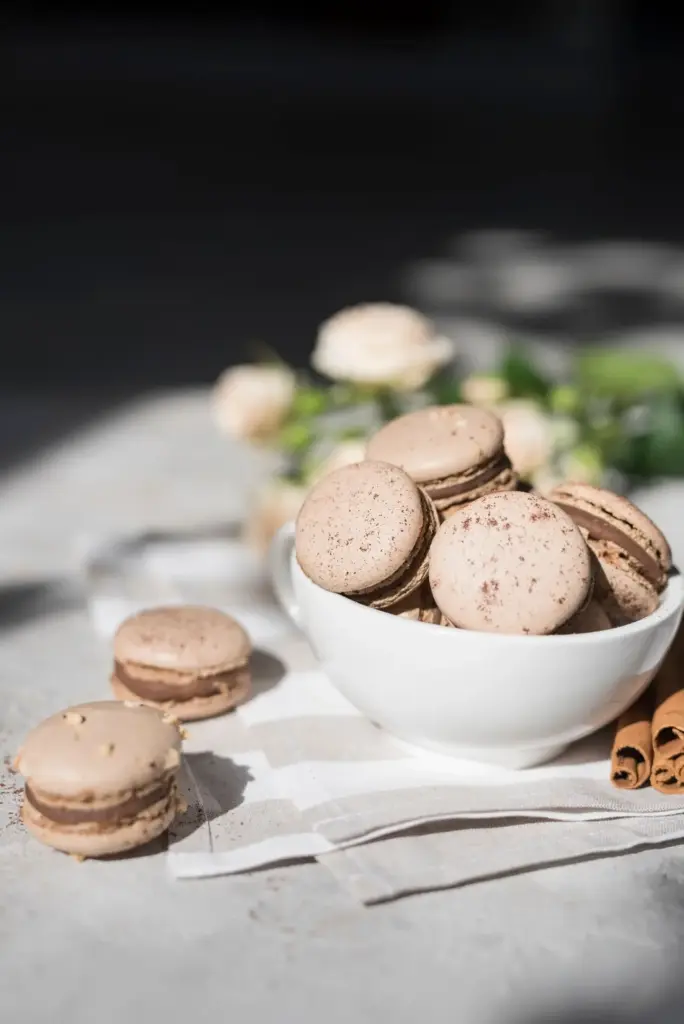
Sunlight Through Glass, Sculpted Into Living Shadow

We explore the physics of caustics, revealing how sunlight passing through glass creates artful shadows and blazing highlights that dance across walls and tables. Expect approachable science, hands on curiosity, and stories from windowsills and kitchens, all guiding you to notice, photograph, and safely enjoy these luminous sculptures. The Physics of Caustics, how sunlight through glass creates artful shadows, becomes a daily practice of seeing with wonder, inquiry, and playful experimentation.

Rays, Refraction, and the Birth of Bright Edges

Light travels straight until glass bends its path, and where many refracted rays crowd together, brightness blossoms into crisp curves. This is the heart of caustics, explained with plain language, lived examples, and just enough mathematics to unlock intuition without fear or fuss.

Everyday Encounters: Kitchens, Cafés, and Poolside Floors

Great laboratories are wonderful, yet some of the finest optical lessons occur while stirring tea or drying towels by a sunlit pool. By noticing when patterns swell, stretch, or vanish, you train perception to connect experience with principle, turning passing glances into lasting understanding.

A Latte’s Silver Crescent on the Saucer

In a café, tilt your cup so light grazes the curved surface. A sliver of brilliance sweeps across porcelain like a moon, revealing how curvature focuses rays. Add milk foam and watch the fringe tremble, translating tiny motions into quivering geometry that sketches delicate, shimmering glyphs.

Swimming Pool Lattices That Ripple with Time

Stand above blue water at noon and the floor becomes a living net of diamonds. Wind sculpts small lenses on the surface, refracting sunlight into climbing and collapsing bands. Each wave patch acts like a wandering optical element, weaving a bright tapestry that never repeats.

Crystal Vases Painting Noon on the Tablecloth

A cut crystal vase throws prismatic flames that stretch beyond its shadow. Facets collect and redirect rays, assembling bright arcs and rainbow seams. Rotate the vase a few degrees and the canvas changes instantly, proof that geometry and direction choreograph every stroke of luminous paint.

Shapes that Sculpt Light: Geometry Behind Glass

Curvature decides how rays converge, while thickness and refractive index steer their pace. Even everyday objects combine these factors in subtle ways, from spoon bowls to bottle shoulders. By comparing silhouettes and surfaces, you uncover why certain edges blaze while others remain quietly gray.

From Rays to Waves: Why Caustics Never Truly Blow Up

{{SECTION_SUBTITLE}}

Airy Caustic Glows and the Tiniest Fringes
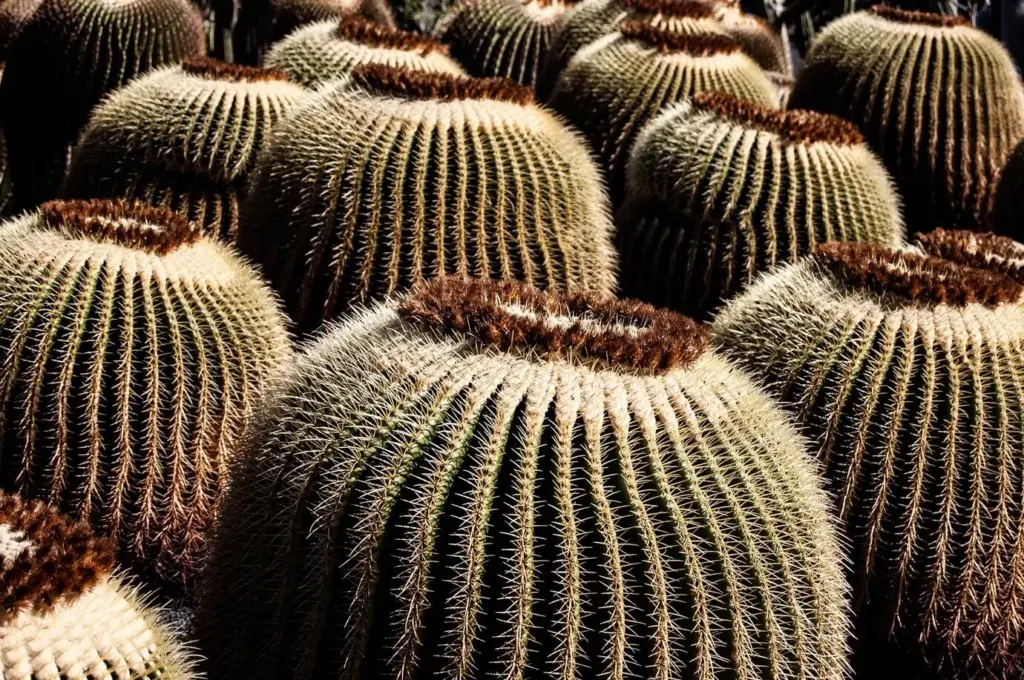
Peer closely and the hottest lines are feathered by ripples, subtle yet faithful to wave nature. Those patterns whisper of interference between neighboring paths, encoded by distances smaller than a hair. Even a phone camera can glimpse them with care, patience, and soft, steady support.

Catastrophe Theory, Gently Walked Through

Mathematicians classify recurring shapes using graceful ideas about stability and change. Fold and cusp families arise whenever small parameter tweaks reroute many ray paths at once. Names aside, the message is simple: geometry organizes light, and tiny adjustments compose remarkably consistent, repeating signatures across materials and scales.

Safety, Sunbeams, and Responsible Awe
Beauty can concentrate heat. A crystal on a sunny sill may smolder a napkin, and a magnifier can mar furniture faster than surprise allows. By learning where focus lands, and controlling exposure with curtains, timing, or placement, you protect wonder while keeping homes and studios safe.

Make It Yourself: Home Experiments and Creative Captures

Turn windowsills into laboratories with materials you already own. Bowls, jars, spoons, and a flashlight can reveal folds, cusps, and fringes across paper or walls. By keeping notes and photos, you build an atlas of light traces, encouraging curiosity and repeatable exploration for friends and family.

How Renderers Chase Photons to Draw Sparkling Pools

Path tracing, photon mapping, and bidirectional techniques all work to capture concentrated light paths that ordinary shading misses. Caustics challenge sampling, so smart strategies like multiple importance and denoising become essential. Study examples, tweak parameters, and watch numerical intuition grow beside creative confidence and patient persistence.

Artists Who Sketch Light with Glass and Patience

Some artists build still lifes around bottles and prisms, returning for hours as the sun moves. Their canvases reveal disciplined observation translated into lyrical marks. Follow their process to borrow rituals, from value studies to color notes, strengthening your own ability to translate brightness into meaning.

Share Your Patterns: Community Gallery Invitation
Try an experiment this week and post a photo, sketch, or short note about what you observed. Describe lighting, object shape, and distance so others can learn and replicate. Subscribe for gentle prompts, and return to celebrate new discoveries woven from everyday light and curiosity.
Zorizeranexo
Privacy Overview

This website uses cookies so that we can provide you with the best user experience possible. Cookie information is stored in your browser and performs functions such as recognising you when you return to our website and helping our team to understand which sections of the website you find most interesting and useful.